A barista helps a regular customer collect points at a cafe.

7 Loyalty Program Examples for Small Businesses

Home - Loyalty Programs Summary: Explore seven simple loyalty program examples for cafes, salons and local shops. Choose a reward and rules that give customers a clear reason to come back. A loyalty program does not need a complex app or several reward levels. For a...


A customer receives a voucher reward from a local business.

Vouchers as Rewards for Loyal Customers: How to Use Them

Home - Loyalty Programs Summary: Learn how to use vouchers to reward returning customers. Explore three practical ideas, set clear terms and track whether customers redeem them and come back. A voucher can reward a repeat purchase, introduce a customer to a new...

A restaurant owner speaks with a returning guest.

How to Start a Restaurant Loyalty Program

Home - Loyalty Programs Summary: Plan a restaurant loyalty program with clear rules and a reward that fits your margins. Learn how to explain it at checkout and measure whether guests return. A returning guest already knows your menu and service. A loyalty program can...

Loyalty Programs 2025: Key Trends and Insights from the Report

Loyalty Programs 2025: Key Trends and Insights from the Report

Home - Loyalty Programs Executive Summary: Loyalty programs in 2025 are evolving beyond points and discounts into data-driven, experience-focused ecosystems. This article explores the key trends shaping the future of customer loyalty, including personalization, mobile...

Brand advocacy

Building Brand Advocates: The Impact of Rewarding Loyalty Digitally

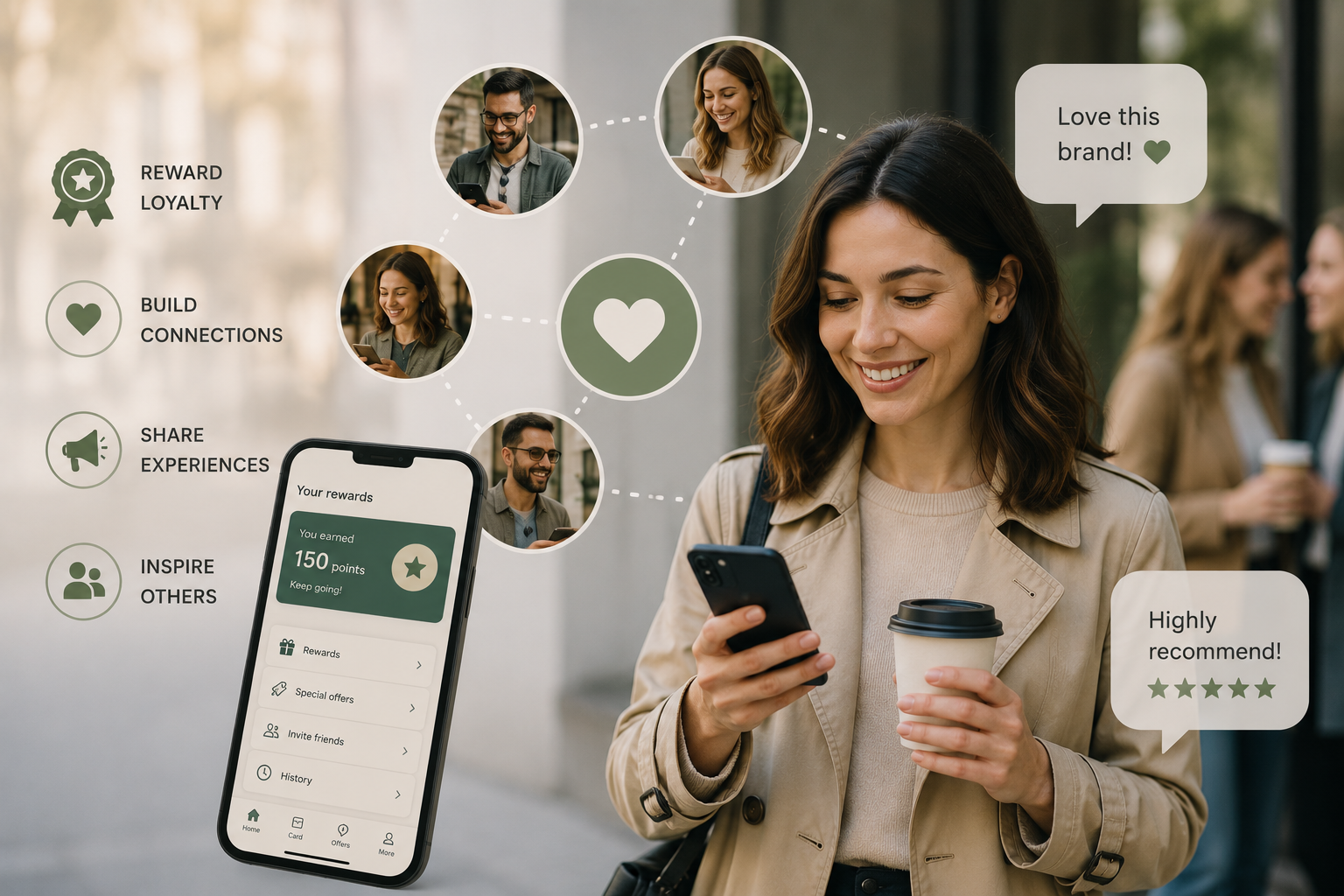
In today’s competitive market, digital rewards programs are a highly effective strategy for transforming everyday buyers into valuable brand advocates. This article explores how incentivizing loyalty drives crucial business metrics, including customer retention, lifetime value, and organic word-of-mouth growth. By examining industry-leading examples like Starbucks and Sephora, you will discover the strategic benefits of digital rewards—from enhanced data collection to improved brand perception—and learn the key KPIs needed to measure and optimize your program’s long-term success.

How Loyalty Programs Are Revolutionizing the Customer Experience by Loyalty Apps

How Loyalty Programs Are Revolutionizing the Customer Experience

Home - Loyalty Programs Executive Summary: Customer loyalty programs have evolved far beyond simple discounts and reward points. Today, they enable brands to deliver personalized experiences, increase customer engagement, strengthen long-term relationships, and turn...

Navigating the World of Digital Stamp Points

Navigating the World of Digital Stamp Points: Tips and Best Practices

Home - Loyalty Programs Executive Summary: Digital stamp point programs have transformed traditional paper loyalty cards into interactive, data-driven experiences. This article explores how businesses can successfully implement digital stamp systems, design rewarding...

Why Every Business Should Consider a Digital Loyalty Program

Why Every Business Should Consider a Digital Loyalty Program

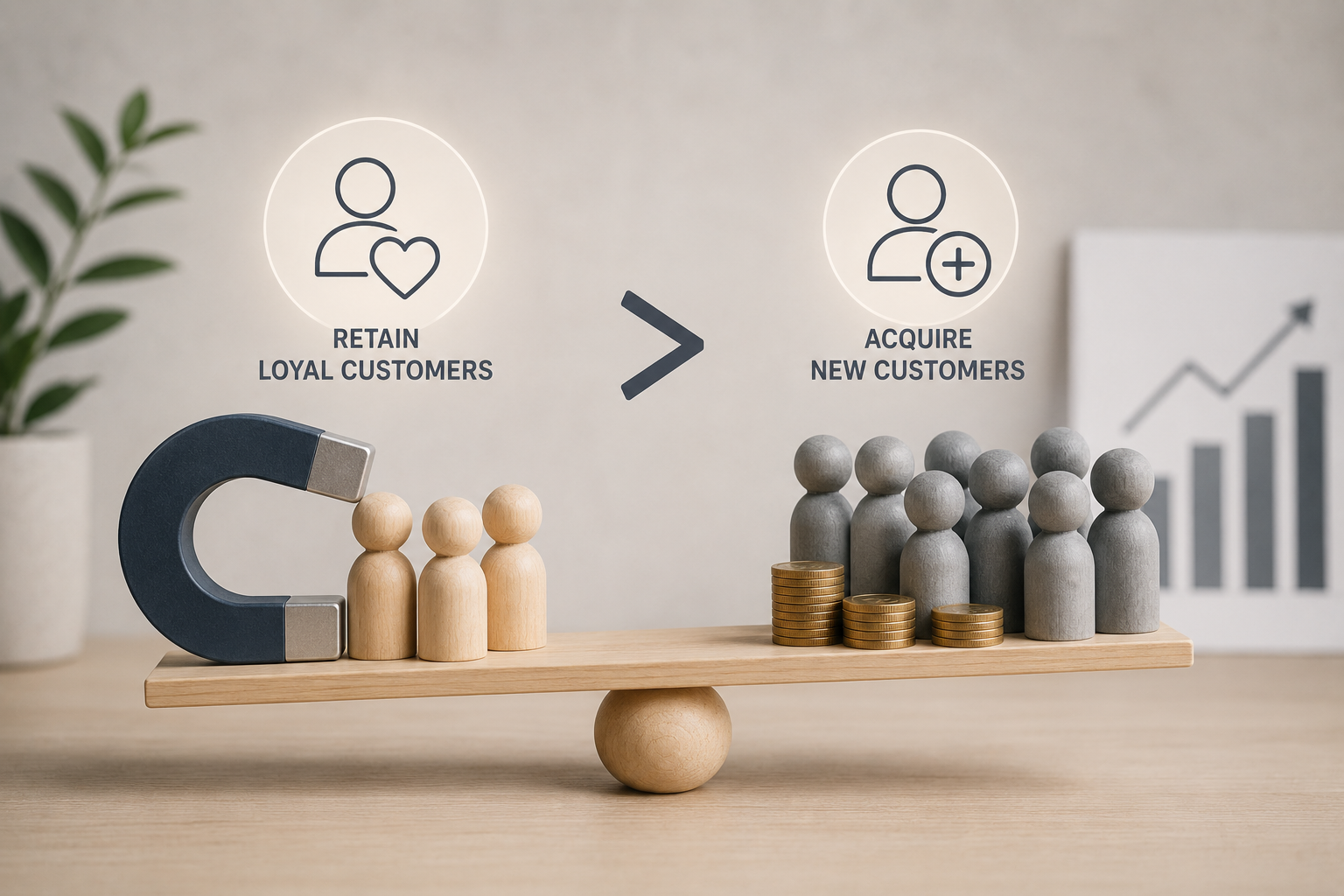
In today’s highly competitive market, digital loyalty programs are essential for building lasting customer relationships. Increasing retention by just 5% can boost profits by up to 95%. Modern apps have replaced traditional punch cards, offering businesses numerous advantages. They drive higher retention, deepen engagement through personalized rewards, and provide valuable data insights to optimize marketing. Furthermore, they reduce acquisition costs and create a strong competitive edge. The massive success of brands like Starbucks, Sephora, and Amazon proves that digital loyalty is a highly profitable investment. Every business should implement these programs to secure loyal customers and maximize long-term growt

Loyalty Card vs. Customer Loyalty Card

Loyalty Card vs. Customer Loyalty Card

Home - Loyalty Programs Executive Summary: A loyalty card and a customer loyalty card are popular ways for businesses to reward customers and build long-term loyalty to their brand. In this article, we explain how these two solutions differ, how they work, and how...

How to promote loyalty program?

How to promote a loyalty program to get more people to sign up?

Home - Loyalty Programs Executive Summary: Launching a loyalty program is only the first step – its success depends on effective promotion. This article explores proven strategies for increasing program awareness and participation, including social media marketing,...

Modern food service marketing – use new tools to gain an edge

Modern food service marketing – use new tools to gain an edge

Securing a steady stream of returning guests is the ultimate key to surviving the cutthroat food service industry. While having a website and social media presence is the baseline, modern eateries must adopt mobile loyalty programs to truly thrive. Moving beyond easily lost paper cards, digital apps let businesses track specific diner preferences and offer clear, enticing perks like happy hours or free drinks. This data-driven approach builds genuine attachment, transforming casual visitors into vocal brand ambassadors. When paired with smart tactics like influencer collaborations and targeted content, a mobile loyalty app becomes your most powerful competitive weapon.

5 mistakes you should avoid when creating a loyalty program

5 mistakes you should avoid when creating a loyalty program

Launching a successful loyalty program requires strategic planning; without it, many initiatives fail within their first year. To ensure long-term profitability and brand growth, businesses must avoid five critical mistakes.

First, every program needs clearly defined business goals (operational, qualitative, and marketing), rather than just aiming for quick promotional wins. Second, skipping industry analysis often results in unoriginal offers that get lost in a saturated market. Third, proceeding without a comprehensive budget—covering IT infrastructure, rewards, staff, and marketing—can derail the project before it even launches. Fourth, failing to define a clear target audience severely weakens communication and engagement efforts. Finally, lacking a complete program concept that outlines point mechanics, reward structures, chosen technology, and legal frameworks guarantees structural instability.

By avoiding these pitfalls, companies can build a sustainable, highly engaging loyalty system that truly drives sales and recognition.