
How to Start a Restaurant Loyalty Program


Summary:
Plan a restaurant loyalty program with clear rules and a reward that fits your margins. Learn how to explain it at checkout and measure whether guests return.
How to Start a Restaurant Loyalty Program
A returning guest already knows your menu and service. A loyalty program can give them another reason to choose your restaurant. Start with one clear benefit and see whether it fits the way your restaurant runs.
Start with one goal
Decide what you want to change. Do you want guests to visit again sooner, come in on quieter days or try selected menu items? A program can support more than one goal over time, but choose one to begin. That makes it easier to pick a reward and see whether the rules work.
Choose a reward rule that is easy to explain
Restaurants often use stamps for visits, points for purchases or a reward after a set number of orders. Guests should understand the rule without reading a long explanation. Staff should be able to explain it while taking payment.
For example, a guest could earn points on orders and choose an add-on after reaching a target. Treat this as a model to test. Set the threshold and reward based on your prices, costs and menu.
Pick a reward that fits your margins
A free meal may catch people’s attention, but it may not suit your budget. Consider an add-on with a predictable cost, a drink, a dessert or a reward tied to a particular menu item. You could also offer a benefit on a day or at a time when the restaurant is quieter.
Track the cost of rewards and check whether members return more often. Do not assume that every extra visit came from the program. Compare similar periods and account for seasonality.
Make sign-up and redemption simple
Mention the program at checkout, add a short note to the menu or table, and remind guests through the channels they already use. Keep sign-up short. If you use a digital card, show guests how to open it and how the reward is added.
Give staff a short script for inviting guests to join, adding points and answering questions about rewards. A consistent explanation helps the whole team feel comfortable talking about the program.
What to measure after launch
- How many guests joined the program.
- What share of members returned during the period you are measuring.
- How many rewards were claimed and what they cost.
- Whether order values or visits changed during selected hours.
- Which questions guests and staff ask most often.
Review the results on a regular schedule and change one thing at a time. If guests forget about the program, improve the reminders. If few people claim the reward, check whether the target feels reachable and the benefit is worth earning.
Rewardo also covers marketing for food service businesses. Read more about loyalty management.
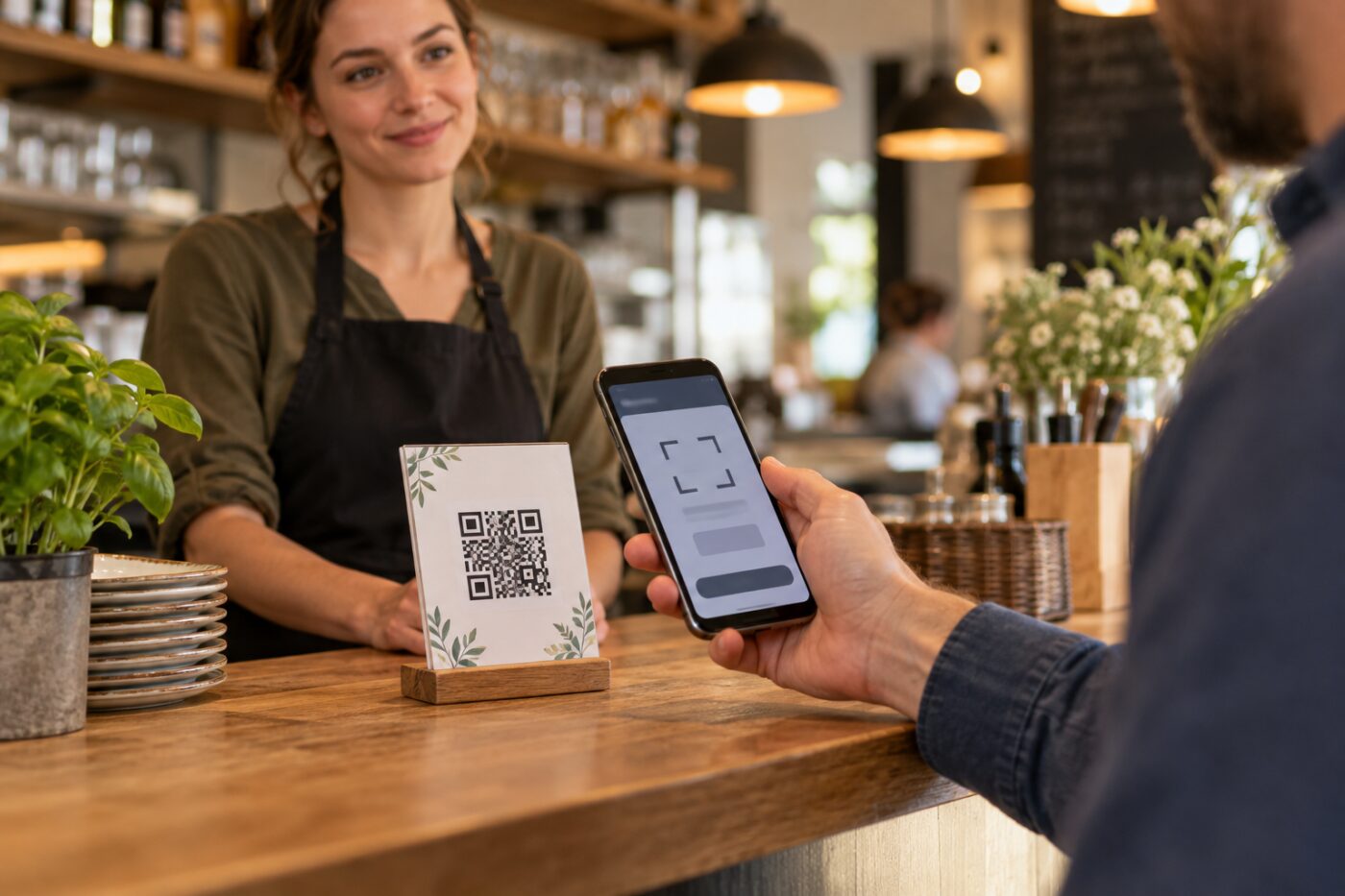
A simple example is easier to run than rules customers have to remember.
Contents
More articles
7 Loyalty Program Examples for Small Businesses
Home – Summary: Explore seven simple loyalty program examples for cafes, salons and local shops. Choose a reward and rules that give customers a clear reason to come back. A loyalty program does not need a complex app or several reward levels. For a small business, a…

Vouchers as Rewards for Loyal Customers: How to Use Them
Home – Summary: Learn how to use vouchers to reward returning customers. Explore three practical ideas, set clear terms and track whether customers redeem them and come back. A voucher can reward a repeat purchase, introduce a customer to a new service or bring people…
Why Retaining Loyal Customers Is More Profitable Than Acquiring New Ones?
Home – Executive Summary: Customer retention is one of the most effective drivers of long-term business growth. Retaining existing customers costs significantly less than acquiring new ones while increasing customer lifetime value, profitability, and brand advocacy….