
Loyalty Programs 2025: Key Trends and Insights from the Report

Executive Summary:
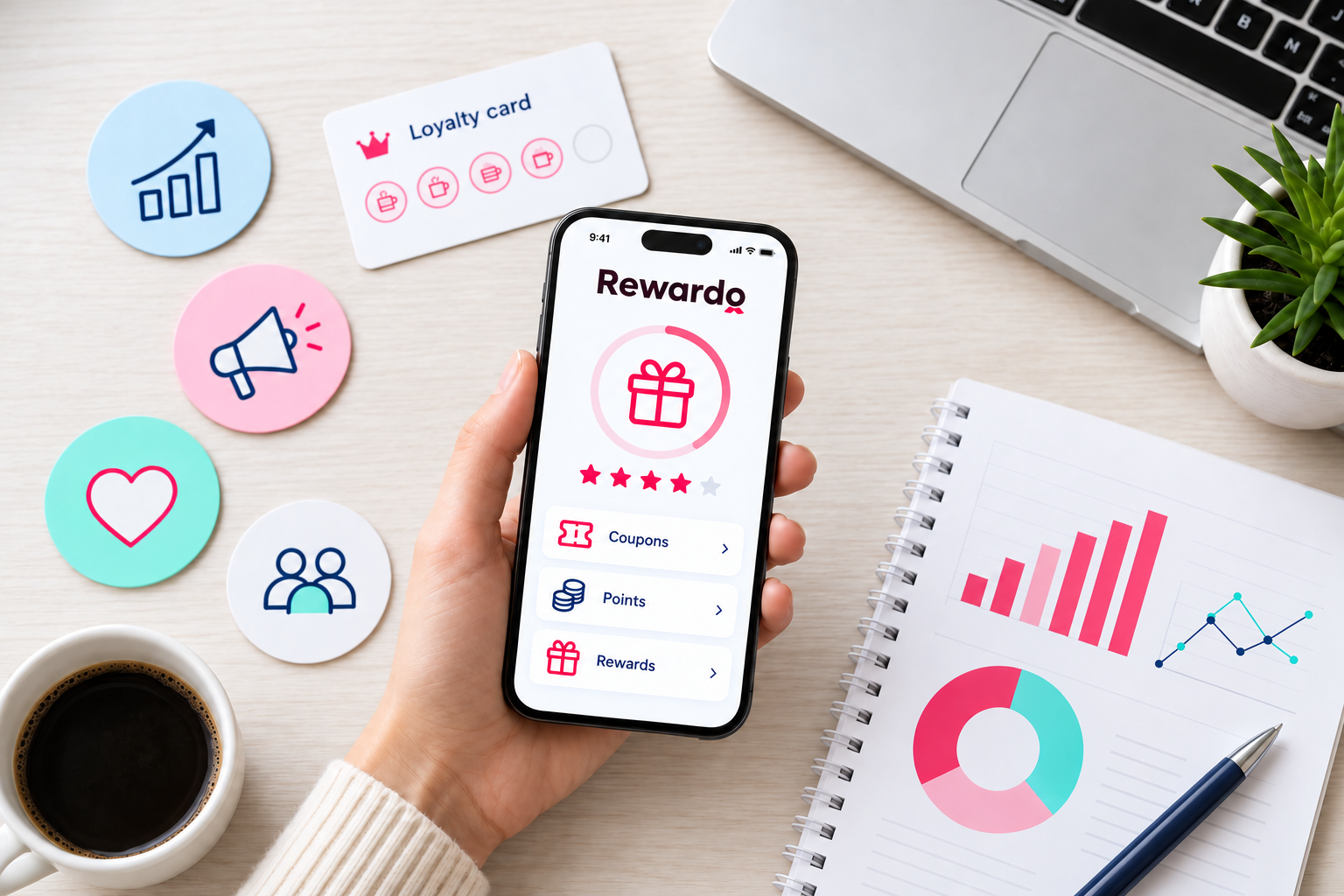
Loyalty programs in 2025 are evolving beyond points and discounts into data-driven, experience-focused ecosystems. This article explores the key trends shaping the future of customer loyalty, including personalization, mobile loyalty apps, emotional rewards, sustainability, and subscription models, while highlighting practical strategies brands can use to build stronger customer relationships and long-term growth.
Loyalty Programs 2025: Key Trends and Insights from the Report
In recent years, customer loyalty has evolved far beyond points and discounts. It has become a complex ecosystem built on emotions, data, and seamless experiences.
According to the latest “Loyalty Programs 2025” report, brands are realizing that loyalty is no longer about “buy and get rewarded.” It’s about building long-term relationships and creating real value for customers.
In this article, we summarize the key findings of the report and explore how loyalty programs are changing in 2025 – what truly motivates customers, which trends shape the market, and how brands can use them to gain a competitive edge.
A New Era of Customer Loyalty
The report reveals that loyalty programs in 2025 are increasingly integrated into the broader customer experience (CX).
They are no longer seen as separate marketing tools, but as strategic components of customer retention and brand value.
Here’s what has changed:
- Discounts are no longer enough. Customers expect personalization, emotional engagement, and authentic value.
- Digital loyalty is the new norm. Mobile apps have become the primary way to connect with members and maintain engagement.
- Data drives loyalty. Brands use analytics and AI to predict behavior and tailor offers in real time.
Loyalty in 2025 isn’t about giving a discount – it’s about creating a relationship where customers feel seen, valued, and understood.
Key Trends Shaping Loyalty Programs in 2025
1. Personalization and Data-Driven Loyalty
The strongest trend continues to be personalization – powered not only by purchase data but also by behavioral insights.
Brands are using predictive analytics to anticipate when customers are ready to buy again, what rewards they prefer, and which messages drive engagement.
This makes loyalty programs more dynamic and responsive, adapting in real time to each customer’s journey and behavior.
2. Mobile Loyalty Apps
More than half of all loyalty programs in Europe now operate primarily through mobile apps.
This approach benefits both sides – customers get convenience and instant access, while brands gain valuable data and direct communication channels.
Mobile loyalty apps allow brands to:
- Reward repeat behavior – through points, stamps, or tiered memberships.
- Personalize communication – via push notifications and coupons based on purchase history.
- Build emotional bonds – with birthday rewards, VIP invitations, and exclusive access.
- Increase customer lifetime value (CLV) – by encouraging bigger baskets, more visits, and referrals.
Mobile-first loyalty also makes it easier to track, test, and optimize engagement in real time – something traditional, card-based programs often struggle with.
3. Emotion, Exclusivity, and Experience
Modern loyalty programs are shifting focus from financial rewards to emotional ones.
Instead of endless discounts, brands now offer memorable experiences: early access to new collections, personal invitations, or surprise gifts.
The report shows that these emotional rewards have a stronger long-term impact on retention and customer satisfaction than standard price reductions.
Tiered memberships (Silver, Gold, VIP) also play a key role – giving customers a sense of achievement and belonging, and motivating them to stay active.
4. Loyalty with Purpose and Values
Today’s consumers expect the brands they support to reflect their values.
According to the report, social and eco-loyalty are rapidly gaining traction.
Customers are more likely to engage with programs that:
- Promote sustainability and green choices,
- Support local communities and social causes,
- Reward responsible behavior (e.g., reusable packaging, donations, volunteering).
By aligning loyalty with shared values, brands turn transactions into trust – and customers into advocates.
5. Subscription-Based Loyalty
Another fast-growing trend is subscription loyalty – where customers pay a small recurring fee for premium benefits like free delivery, special discounts, or personal customer service.
This model combines convenience, predictability, and exclusivity – while ensuring stable recurring revenue for brands.
Common Mistakes Brands Still Make
Despite growing market maturity, the report highlights several recurring issues:
- Over-reliance on discounts as the main incentive.
- Lack of personalization and data integration.
- Poor cross-channel consistency between online and offline touchpoints.
- Limited measurement of real retention or customer lifetime value (CLV).
The most effective programs are those that go beyond promotions – they are strategically connected to the brand’s overall business goals.
Recommendations for Brands
Based on the report findings, here are five practical recommendations for brands looking to modernize their loyalty strategy:
- Design loyalty around data. Integrate online and offline sources to create a 360° customer view.
- Personalize both rewards and communication. Different segments are driven by different motivators.
- Keep it simple. A clear structure and easy-to-use mobile experience are essential.
- Build emotional engagement. Combine tangible rewards with recognition and experiences.
- Measure and optimize. Use analytics to test campaigns and continuously improve retention results.
Conclusion
In 2025, loyalty programs are no longer just marketing tools – they’re strategic growth engines.
Built on personalization, technology, and human connection, they help brands not only retain customers but also build long-term trust and advocacy.
Table of Contents
Read more articles

7 Loyalty Program Examples for Small Businesses
Home – Summary: Explore seven simple loyalty program examples for cafes, salons and local shops. Choose a reward and rules that give customers a clear reason to come back. A loyalty program does not need a complex app or several reward levels. For a small business, a…

Vouchers as Rewards for Loyal Customers: How to Use Them
Home – Summary: Learn how to use vouchers to reward returning customers. Explore three practical ideas, set clear terms and track whether customers redeem them and come back. A voucher can reward a repeat purchase, introduce a customer to a new service or bring people…

How to Start a Restaurant Loyalty Program
Home – Summary: Plan a restaurant loyalty program with clear rules and a reward that fits your margins. Learn how to explain it at checkout and measure whether guests return. A returning guest already knows your menu and service. A loyalty program can give them…