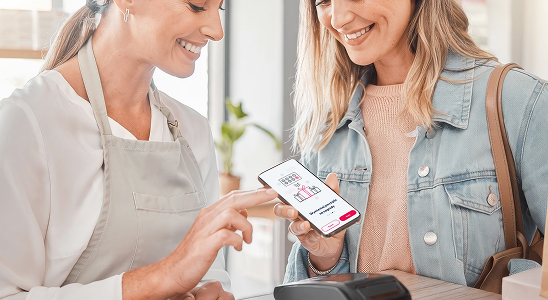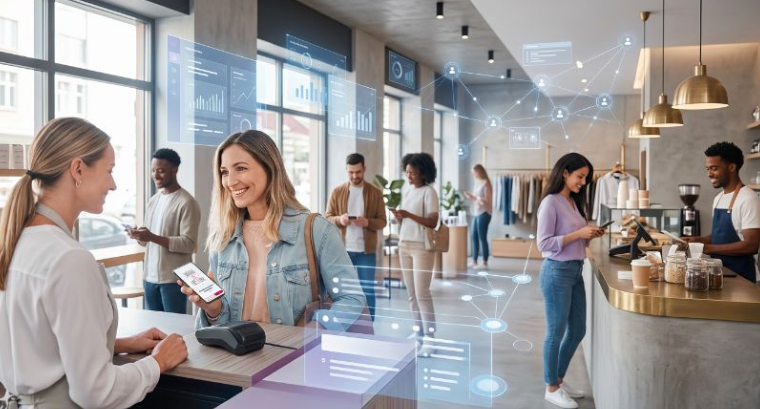
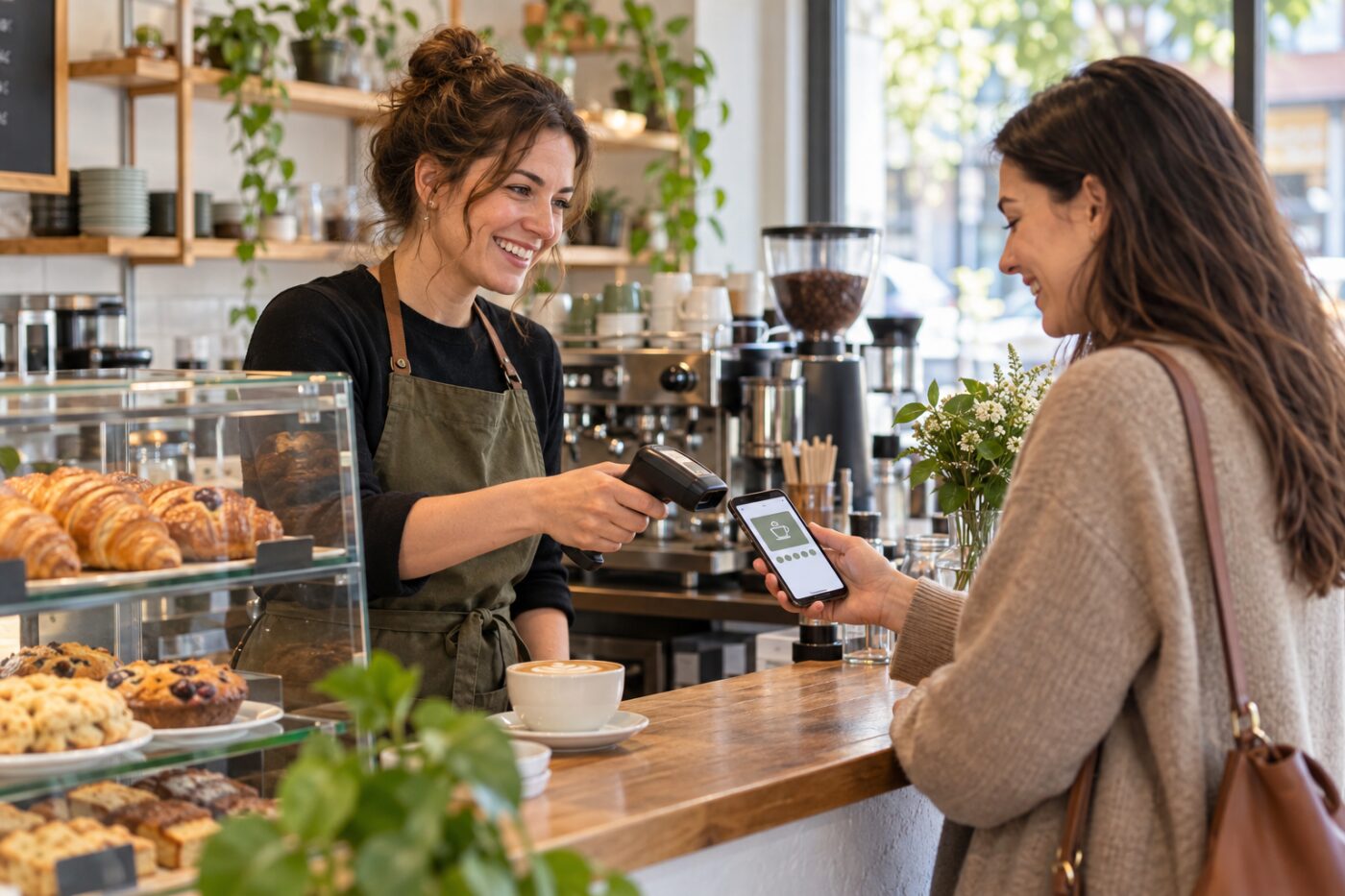
A barista helps a regular customer collect points at a cafe.

7 Loyalty Program Examples for Small Businesses

Home - Loyalty Programs Summary: Explore seven simple loyalty program examples for cafes, salons and local shops. Choose a reward and rules that give customers a clear reason to come back. A loyalty program does not need a complex app or several reward levels. For a...

A customer receives a voucher reward from a local business.

Vouchers as Rewards for Loyal Customers: How to Use Them

Home - Loyalty Programs Summary: Learn how to use vouchers to reward returning customers. Explore three practical ideas, set clear terms and track whether customers redeem them and come back. A voucher can reward a repeat purchase, introduce a customer to a new...

A restaurant owner speaks with a returning guest.

How to Start a Restaurant Loyalty Program

Home - Loyalty Programs Summary: Plan a restaurant loyalty program with clear rules and a reward that fits your margins. Learn how to explain it at checkout and measure whether guests return. A returning guest already knows your menu and service. A loyalty program can...

Loyalty Programs 2025: Key Trends and Insights from the Report

Loyalty Programs 2025: Key Trends and Insights from the Report

Home - Loyalty Programs Executive Summary: Loyalty programs in 2025 are evolving beyond points and discounts into data-driven, experience-focused ecosystems. This article explores the key trends shaping the future of customer loyalty, including personalization, mobile...

Boost Your Retail Sales: The Untapped Potential of Loyalty Apps

Boost Your Retail Sales: The Untapped Potential of Loyalty Apps

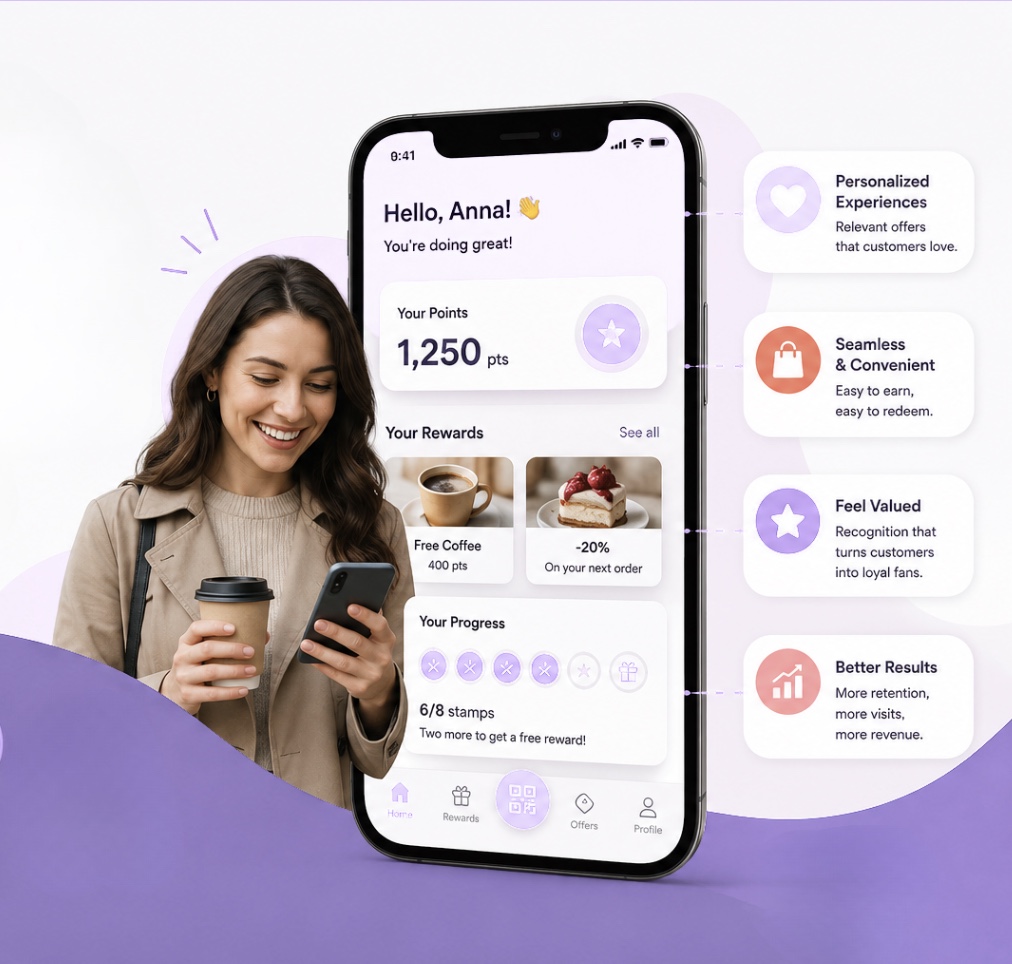
Loyalty apps are essential tools for retailers looking to boost sales and retain customers in a competitive market. By offering exclusive discounts and personalized rewards, these mobile applications encourage repeat business and higher average order values. A key advantage is the ability to collect valuable data, enabling highly tailored marketing strategies, as demonstrated by the massive success of Starbucks Rewards. To maximize impact, retailers should ensure their apps are user-friendly, clearly communicate benefits, and seamlessly integrate with other marketing channels. Ultimately, a well-executed, data-driven loyalty app fosters long-term customer relationships and drives significant business growth.

Brand advocacy

Building Brand Advocates: The Impact of Rewarding Loyalty Digitally

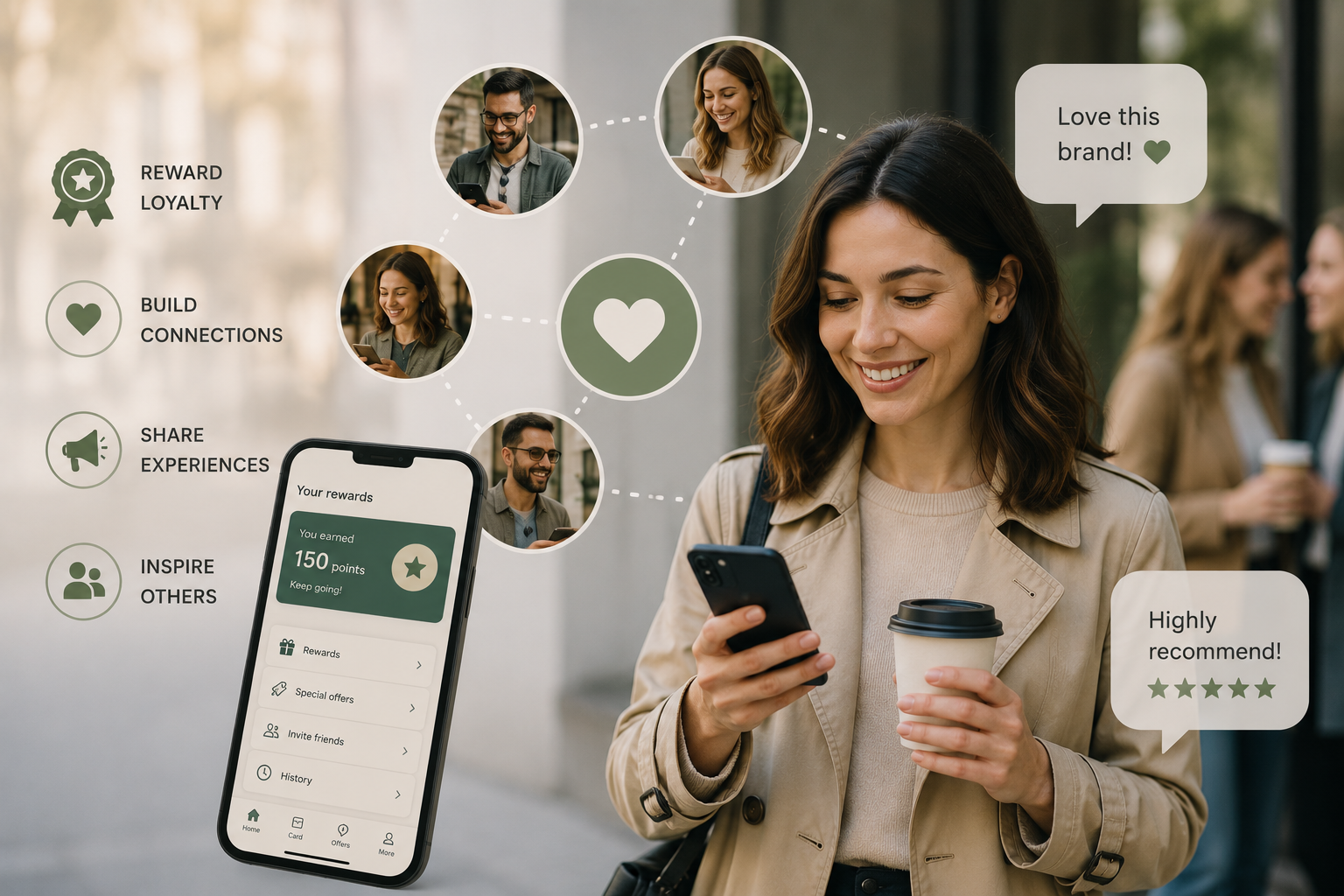
In today’s competitive market, digital rewards programs are a highly effective strategy for transforming everyday buyers into valuable brand advocates. This article explores how incentivizing loyalty drives crucial business metrics, including customer retention, lifetime value, and organic word-of-mouth growth. By examining industry-leading examples like Starbucks and Sephora, you will discover the strategic benefits of digital rewards—from enhanced data collection to improved brand perception—and learn the key KPIs needed to measure and optimize your program’s long-term success.

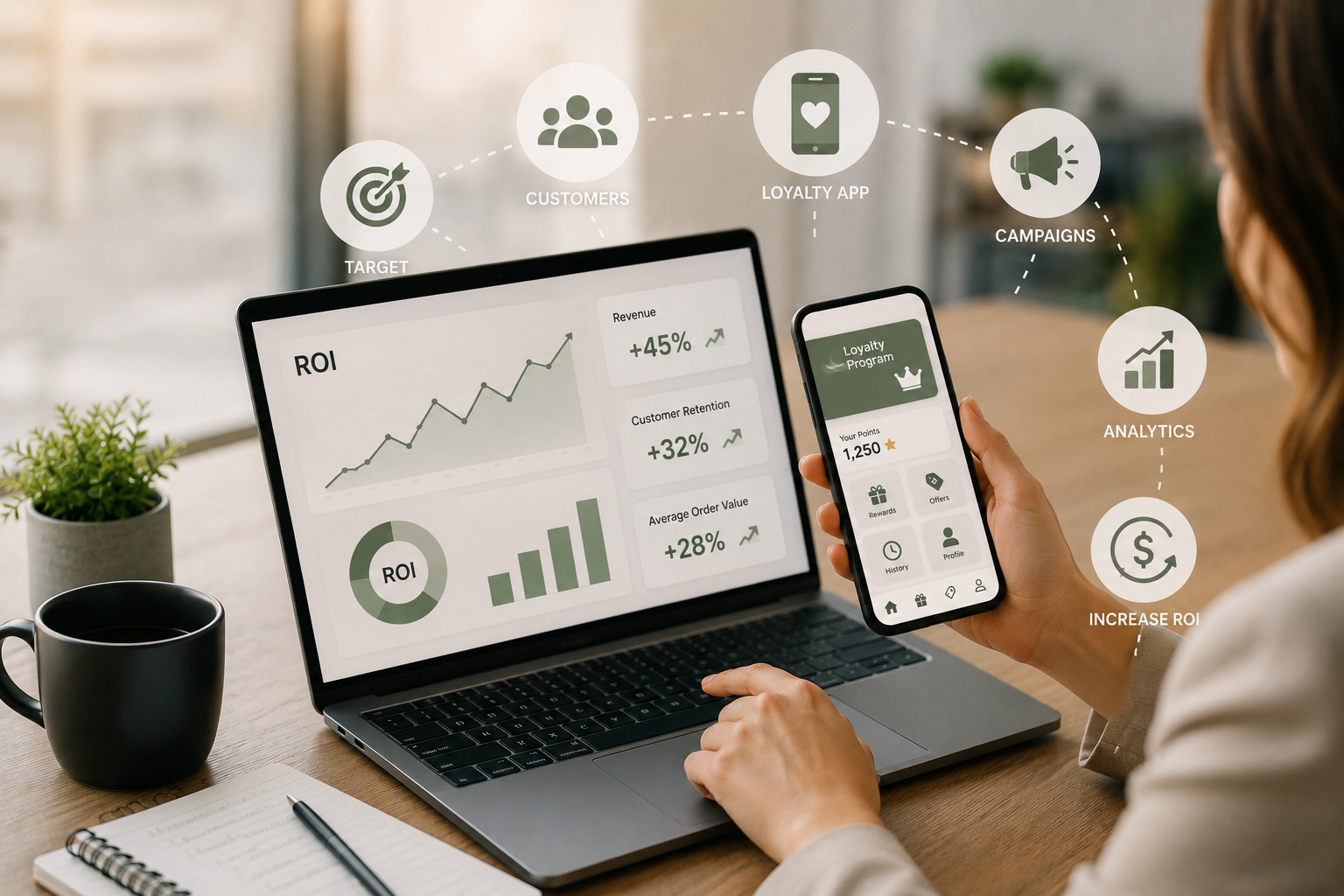
Increasing ROI by loyalty app

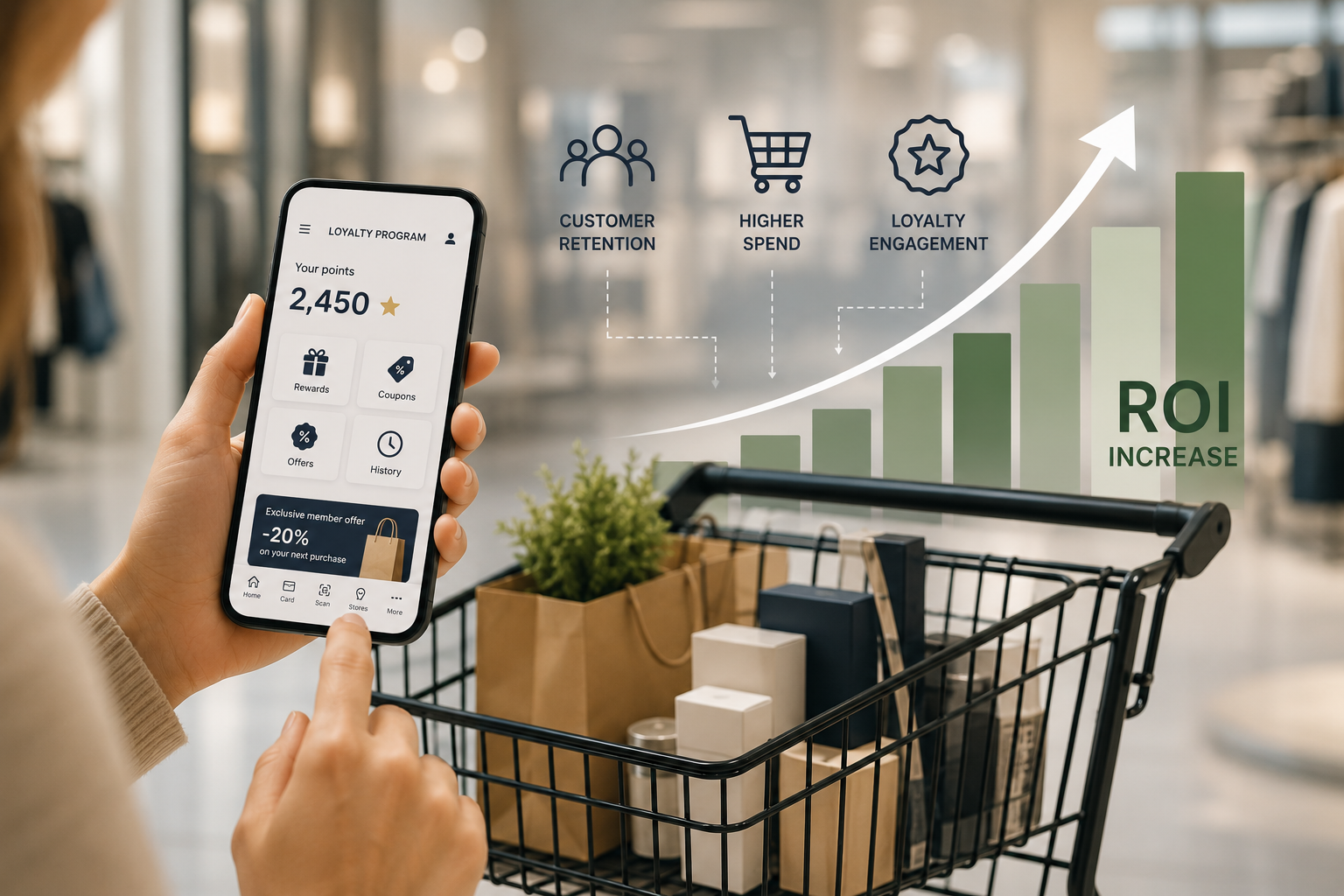
Increasing Cart Value: How Loyalty Apps Enhance Retail Marketing ROI

Home - Loyalty Programs Executive Summary: In today's highly competitive retail landscape, relying solely on price discounts is no longer enough to drive sustainable profit. This article explores how modern loyalty apps serve as a crucial tool for effectively...

How Loyalty Programs Are Revolutionizing the Customer Experience by Loyalty Apps

How Loyalty Programs Are Revolutionizing the Customer Experience

Home - Loyalty Programs Executive Summary: Customer loyalty programs have evolved far beyond simple discounts and reward points. Today, they enable brands to deliver personalized experiences, increase customer engagement, strengthen long-term relationships, and turn...

Navigating the World of Digital Stamp Points

Navigating the World of Digital Stamp Points: Tips and Best Practices

Home - Loyalty Programs Executive Summary: Digital stamp point programs have transformed traditional paper loyalty cards into interactive, data-driven experiences. This article explores how businesses can successfully implement digital stamp systems, design rewarding...

Increasing Customer Retention: The Power of Loyalty App Incentives

Increasing Customer Retention: The Power of Loyalty App Incentives

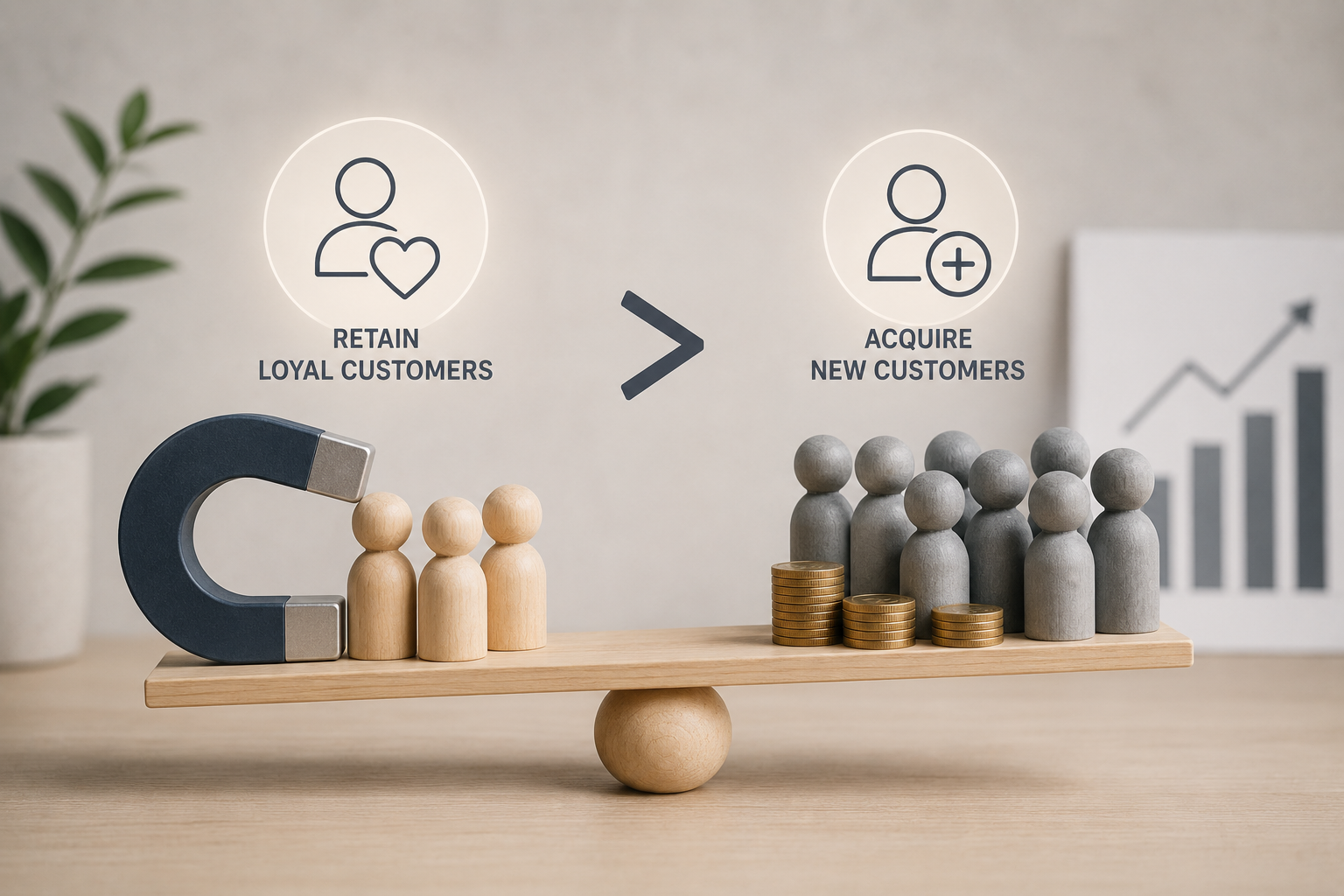
Customer retention is far more profitable than acquisition—increasing retention by just 5% can boost profits by up to 95%. Today, loyalty apps are the ultimate tool to achieve this. They offer personalized incentives, such as discounts and reward points, to effectively build long-term relationships.

Through these apps, businesses drive higher engagement (like Starbucks), elevate the shopping experience (as Sephora does), and gather valuable data to personalize offers (similar to Amazon). Implementing a loyalty app is a strategic move that makes customers feel valued, directly translating into lasting brand loyalty and long-term profitability.

Why Every Business Should Consider a Digital Loyalty Program

Why Every Business Should Consider a Digital Loyalty Program

In today’s highly competitive market, digital loyalty programs are essential for building lasting customer relationships. Increasing retention by just 5% can boost profits by up to 95%. Modern apps have replaced traditional punch cards, offering businesses numerous advantages. They drive higher retention, deepen engagement through personalized rewards, and provide valuable data insights to optimize marketing. Furthermore, they reduce acquisition costs and create a strong competitive edge. The massive success of brands like Starbucks, Sephora, and Amazon proves that digital loyalty is a highly profitable investment. Every business should implement these programs to secure loyal customers and maximize long-term growt

Loyalty Card vs. Customer Loyalty Card

Loyalty Card vs. Customer Loyalty Card

Home - Loyalty Programs Executive Summary: A loyalty card and a customer loyalty card are popular ways for businesses to reward customers and build long-term loyalty to their brand. In this article, we explain how these two solutions differ, how they work, and how...